
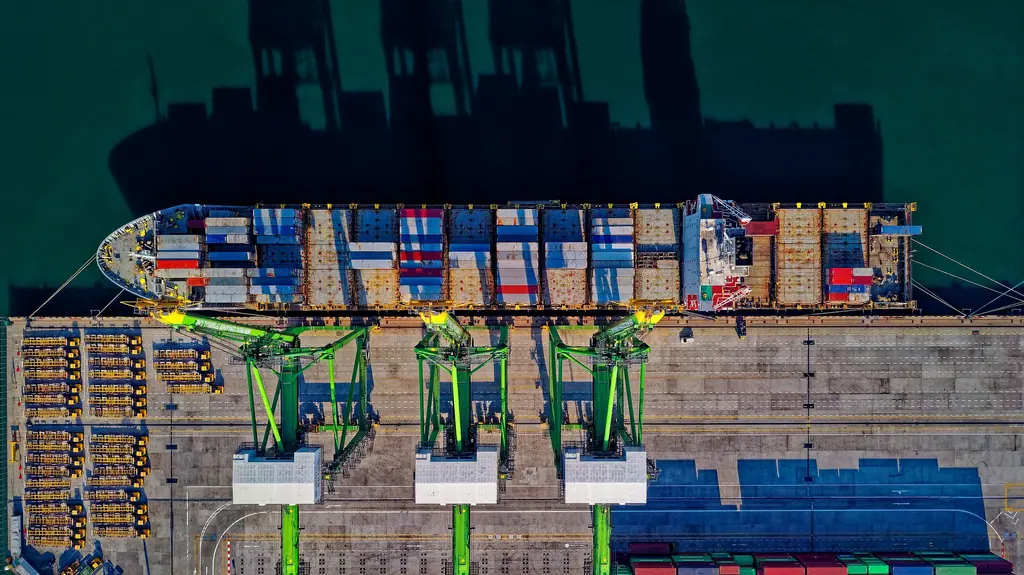
Incoterms 6 min read
CIF vs FOB: Which Incoterm Should Exporters Consider?
Who pays, who insures and who controls the freight: a practical comparison for Indian exporters.
Read Article: CIF vs FOB: Which Incoterm Should Exporters Consider?No results for “”. Ask our team
Knowledge Centre
From incomplete paperwork to late cargo handover: the small slips that cost exporters days, and how to avoid them.
Air Freight 7 min read

Most air export delays are not caused by the airline. They are built in the two days before the cargo reaches the airport - by a document nobody checked, a weight nobody verified, or a handover nobody agreed in writing.
The flight takes hours. The shipment around it takes days, and almost all of that time sits at origin: supplier readiness, pickup, documentation, customs and the carrier cut-off. When an export goes late, the slip is almost always somewhere in that chain - and it is almost always avoidable.
These are the ten we see most often, in roughly the order they happen.
A booking made against an estimated ready date holds space the cargo cannot use. Confirm the packing status with the supplier first, then book against a date somebody has actually seen.
Air freight is charged on volumetric or actual weight, whichever is higher, and the cargo is re-weighed at acceptance. A carton list that does not match the scale means a re-rate, a re-issued airway bill and often the next flight.
Cargo that cannot be stacked, palletised or secured gets held at acceptance. Pallet specification, case dimensions and fumigation marks belong in the conversation before production ends, not after.
Customs compares them line by line. A mismatch in quantity, description, value or HS code turns a routine filing into a query, and queries are measured in days.
The code drives duty, restrictions and licence requirements at both ends. Settling it at the time of filing is the most expensive shortcut in the process.
Batteries, chemicals, aerosols, liquids and certain samples need declarations, packing certificates and sometimes a different carrier. Discovering that at the airport is discovering it too late.
Invoice, packing list, shipping bill, certificate of origin, inspection or fumigation certificates - each of them takes time to collect and to correct. Start when the cargo is most of the way packed, not when it is loaded.
Every flight has an acceptance cut-off some hours before departure, and it does not move. Cargo that arrives after it does not travel late - it travels on the next available flight, which on a busy lane can be days later.
If the consignee, the destination agent and the notify party are not clear on the airway bill, the shipment lands and waits. Confirm who clears it before it leaves.
Supplier, transporter, customs broker and carrier can each do their part correctly and the shipment still slips, because no single person is tracking the handovers between them. That job has to belong to someone by name.
None of this needs a new system. It needs the same list, run on every shipment, before the cargo leaves the supplier.
Ten mistakes, one cause: the gaps between the people handling your cargo. Closing them is what an origin control programme is for.
How We Manage ItKeep Reading
Incoterms 6 min read
Who pays, who insures and who controls the freight: a practical comparison for Indian exporters.
Read Article: CIF vs FOB: Which Incoterm Should Exporters Consider?
Supply Chain 6 min read
Consolidating orders from several vendors without missing a carton, a document or a cut-off.
Read Article: How to Coordinate Multiple Suppliers Without Losing Visibility?
Tell us your route, cargo and requirement. Our team will get back to you shortly.

AS Tradewings Assistant
We usually reply within business hours
Hello! How can we help with your shipment today?
Talk to Our Expert